
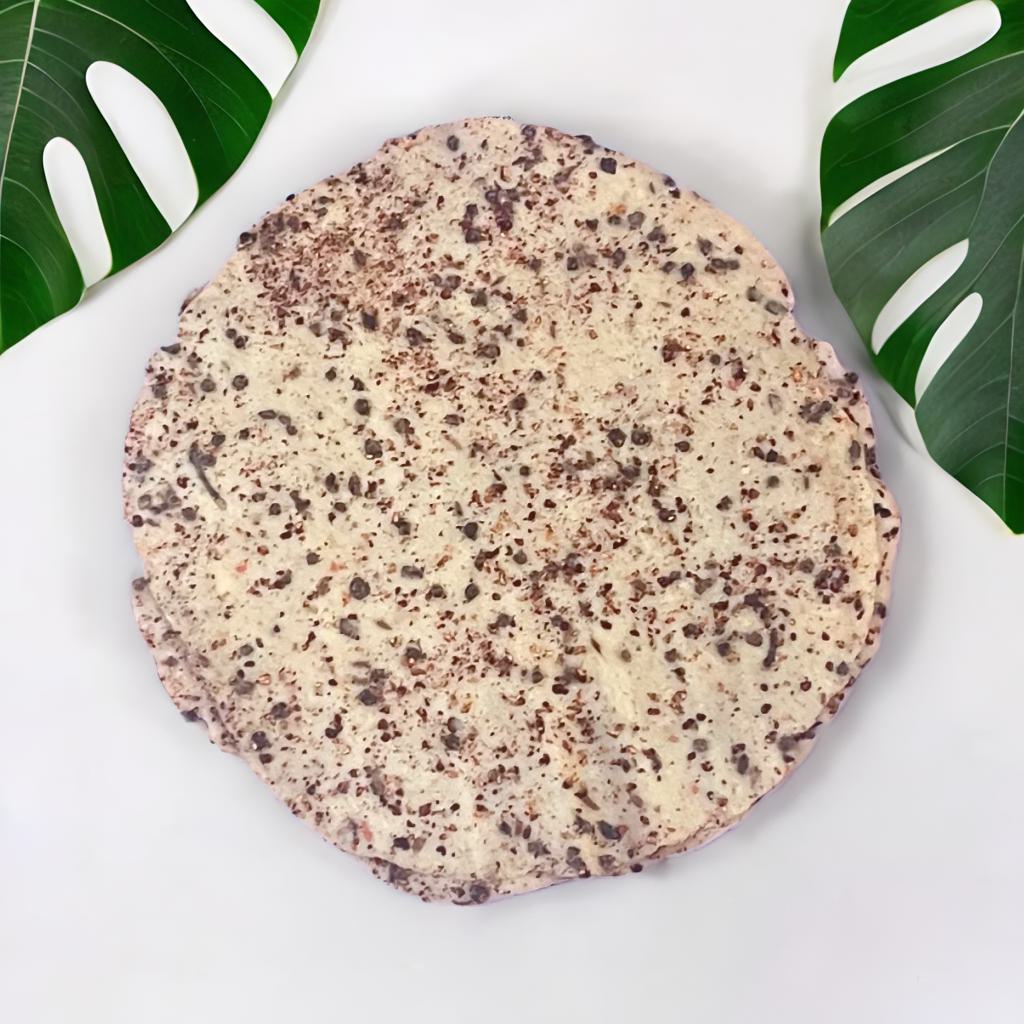
The Ultimate Guide to Masala Papad
Masala Papad is more than just a crunchy accompaniment; it is a culinary institution from the heart of Punjab. Known for its robust flavor profile—characterized by the sharp bite of black pepper, the earthiness of cumin, and the pungency of asafoetida—this papad stands apart from the milder varieties found elsewhere in India. Traditionally made from urad dal (black gram) dough and sun-dried, it carries the smoky, spicy essence of Amritsar’s streets.
Below is a comprehensive guide presented in a Question and Answer format to help you master the art of making, eating, and understanding this versatile ingredient.
Q1: What exactly is Amritsari Masala Papad and how is it different from regular papad?
Answer: Amritsari Masala Papad is a spicy, savory wafer that originates from Amritsar, a city in Northern India famous for its Golden Temple and rich food culture.
Unlike the thin, plain “Lijjat” style papads often made from moong dal or rice flour, the Amritsari variant is thicker, coarser, and significantly spicier.
Key Differences:
- Base Ingredient: It is primarily made from Urad Dal (split black gram) flour, which gives it a distinct, earthy taste and a slightly harder crunch compared to the delicate moong dal papads.
- Spice Level: This is the defining feature. The dough is kneaded with a heavy hand of coarsely crushed black peppercorns, cumin seeds (jeera), coriander seeds, and asafoetida (hing). Some versions also include red chili flakes and anardana (dried pomegranate seeds) for a tangier kick.
- Texture: It has a rustic, pebbly texture due to the coarse spices embedded within the dough. When roasted, it bubbles up unevenly, creating charred pockets that add a smoky flavor.
- Size: Traditionally, Amritsari papads are rolled out larger than standard commercial papads, often resembling the size of a quarter plate or larger.
Q2: How to make Amritsari Masala Papad at home?
Answer: While most people buy them packaged, making them at home ensures authenticity and control over the spice levels. The process involves making a dough, rolling it thin, and sun-drying it.
Ingredients Required:
- Urad Dal Flour: 2 cups (Fine powder)
- Black Peppercorns: 2 tbsp (Coarsely crushed—this is crucial for the “Amritsari” bite)
- Cumin Seeds (Jeera): 1 tbsp
- Asafoetida (Hing): ½ tsp (Strong variety preferred)
- Salt: 1 tsp (or to taste)
- Papad Khar (Alkaline Salt): 1 tsp (This helps the papad expand and crisp up)
- Cooking Oil: 2 tbsp (For kneading and greasing)
- Water: As required (Use sparingly)
- Optional: Crushed coriander seeds or red chili flakes for extra heat.
Step-by-Step Method:
1. Prepare the Spice Mix: Using a mortar and pestle, coarsely crush the black peppercorns and cumin seeds. You want chunks of spice, not a fine powder, so they burst with flavor when you bite into the finished papad.
2. Make the Dough: In a large mixing bowl, combine the urad dal flour, crushed spices, salt, and asafoetida. Dissolve the Papad Khar in a small amount of water (about ½ cup). Slowly add this water to the flour mixture. Mix well. Add just enough extra water to form a very stiff, tight dough. Note: If the dough is too soft, the papads will shrink and crack while drying.
3. Knead and Pound: This is the secret step. Grease your hands with oil and knead the dough vigorously. Traditionally, the dough is pounded with a heavy pestle for 10-15 minutes until it becomes pliable and slightly elastic. This activates the protein in the lentil flour, allowing it to roll out thinly without tearing.
4. Roll the Papads: Divide the dough into small, lemon-sized balls. lightly coat a rolling board with oil (do not use flour for dusting as it burns when roasting). Roll each ball into a thin circle. Aim for a thickness of about 1-2 mm. The spices should be visible throughout the disc.
5. Sun-Drying: Lay the rolled papads on a clean cotton cloth or plastic sheet in direct sunlight. Let them dry for 1-2 days depending on the heat. Flip them every few hours to ensure even drying. Once they are bone-dry and snap easily, store them in an airtight container.
Q3: How do you cook Amritsari Masala Papad for serving?
Answer: Because of its thickness and spice content, the cooking method changes the flavor profile significantly.
Method A: Open Flame Roasting (Traditional) This is the best way to enjoy the smoky flavor.
- Hold the raw papad with metal tongs.
- Place it directly over a low gas flame.
- Flip it constantly, moving it around so it roasts evenly.
- It will expand, change color to a lighter shade, and develop charred spots.
- Tip: Don’t overcook the spices or they will taste bitter.
Method B: Tawa Roasting (Oil-Free)
- Heat a flat griddle (tawa) on medium heat.
- Place the papad on the tawa.
- Using a clean kitchen towel, press down gently on the papad, moving in circles to ensure all parts touch the heat.
- Flip and repeat until crisp.
Method C: Deep Frying
- Heat oil in a kadhai (wok) until hot.
- Slide the papad in. It will expand instantly (much more than roasting).
- Remove immediately—it takes only seconds.
- Result: Fried Amritsari papad is richer and milder because the fat mellows the heat of the black pepper.
Q4: What are the Nutrition Facts and Calories in Amritsari Masala Papad?
Answer: The nutritional value depends heavily on whether you roast or fry the papad.
The base ingredient, Urad Dal, is nutritious, but the sodium content is a factor to watch.
Nutritional Breakdown (Per 1 Medium Papad – approx. 15-20g):
| Nutrient | Roasted Papad | Deep Fried Papad |
|---|---|---|
| Calories | 35 – 45 kcal | 120 – 140 kcal |
| Protein | 2g – 3g | 2g – 3g |
| Carbohydrates | 6g – 8g | 6g – 8g |
| Fat | 0g – 0.5g | 9g – 12g (absorbed oil) |
| Fiber | 1g – 2g | 1g – 2g |
| Sodium | 250mg – 350mg | 250mg – 350mg |
Key Nutritional Insights:
- Protein Source: Urad dal is a good source of plant-based protein, making papad a decent protein booster for vegetarians.
- Gut Health: The spices used—specifically asafoetida (hing) and cumin—are digestive aids. They help reduce bloating and gas, which is why papad is often served at the end of a heavy meal.
- Sodium Warning: The salt and alkaline salt (khar) make this a high-sodium food. Those with high blood pressure should consume it in moderation.
- Weight Loss Friendly? Yes, if roasted. A roasted papad has negligible fat and low calories, satisfying a craving for “crunch” without the calories of chips.
Q5: What are the best uses of Amritsari Masala Papad in cooking?
Answer: While commonly eaten as a side, this ingredient is incredibly versatile in the kitchen.
1. The Classic Appetizer (Masala Papad): This is the most popular use. A roasted papad is topped with chopped vegetables, spices, and lemon juice.
It serves as a light, refreshing starter that wakes up the palate.
2. Papad Ki Sabzi (Curry): In Rajasthani and Punjabi households, when fresh vegetables are scarce, papads are used to make a rich curry.
- How: Roast the papads and break them into chunks. Simmer them in a yogurt-based gravy spiced with turmeric, chili powder, and coriander. The papad absorbs the gravy and softens, mimicking the texture of pasta or dumplings.
3. Churi (Crumbled Snack): A traditional Punjabi accompaniment.
- How: Roast 2-3 Amritsari papads. Crush them roughly in a bowl. Drizzle with 1 tablespoon of ghee (clarified butter) and mix well. Serve alongside Dal Makhani and Naan. The ghee cuts the spice of the black pepper.
4. Stuffed Papad Rolls:
- How: Dip a raw papad in water for 10 seconds to soften it. Place a filling of spiced potatoes or paneer (cottage cheese) in the center. Roll it up like a spring roll. Deep fry or air fry until golden.
5. Salad Crunch: Crush roasted papad over a simple green salad or a sprout salad just before serving. It acts like croutons, adding texture and a punch of salty spice.
6. Coating for Kebabs: Instead of breadcrumbs, use crushed raw or roasted Amritsari papad to coat paneer tikkas or vegetable cutlets before frying. It creates an incredibly crispy, spicy outer crust.
Q6: Which vegetables pair best with Amritsari Masala Papad?
Answer: When making “Masala Papad” or using it as a scoop, the choice of vegetables is critical to balance the dry heat of the papad. You want vegetables that are juicy and crunchy.
1. Onions (Red):
- Why: The sharp pungency of raw red onion compliments the black pepper heat.
- Prep: Finely chopped.Soaking chopped onions in ice water for 10 minutes removes the harsh bite and keeps them extra crunchy.
2.Tomatoes:
- Why: They provide moisture and acidity (tanginess) which softens the spice of the papad.
- Prep: Deseed the tomatoes before chopping.If you leave the seeds/pulp, the juice will make the papad soggy within seconds.
3. Cucumber:
- Why: The coolness of cucumber acts as a fire extinguisher against the hot spices in the Amritsari papad.
- Prep: Peel and chop finely.Use English cucumbers or Desi cucumbers with seeds removed.
4. Coriander (Cilantro):
- Why: Essential for freshness. The herbal note cuts through the saltiness.
- Prep: Finely chopped leaves and tender stems.
5. Green Chilies:
- Why: For those who love extreme heat.
- Prep: Finely minced.Use sparingly as the papad itself is peppery.
6. Boiled Potatoes:
- Why: They add body and creaminess, turning the light snack into a heavier appetizer.
- Prep: Boiled, peeled, and diced into tiny cubes. Toss them in chaat masala before adding.
7. Raw Mango (seasonal):
- Why: When in season, grated raw mango adds a sour punch that pairs heavenly with the cumin in the papad.
Best Combination Recipe: Mix 2 tbsp onion, 2 tbsp tomato, 1 tbsp cucumber, and 1 tsp coriander. Squeeze half a lemon over the veggies before placing them on the papad to ensure the flavor is evenly distributed.
Q7: Can you share a detailed Masala Papad Recipe for guests?
Answer: Certainly. This “Amritsari Masala Papad Platter” is perfect for parties.
Prep time: 10 mins | Cook time: 2 mins | Serves: 2
Ingredients:
- 2 Amritsari Masala Papads
- 1 medium Onion, finely chopped
- 1 medium Tomato, deseeded and finely chopped
- 1 small Cucumber, finely chopped
- 2 tbsp Fresh Coriander, chopped
- 1 tbsp Lemon Juice
- 1 tsp Chaat Masala
- ½ tsp Roasted Cumin Powder
- 2 tbsp Nylon Sev (thin fried gram flour noodles)
- Butter or Ghee (for brushing)
Instructions:
- Roast: Roast the Amritsari papads over an open flame until crisp and charred in spots.
- Butter: While hot, lightly brush one side with a tiny amount of butter or ghee. This adds flavor and creates a slight barrier so the papad doesn’t get soggy instantly.
- Mix: In a bowl, toss the onions, tomatoes, cucumber, coriander, lemon juice, and cumin powder. Do not add salt yet (the papad and chaat masala have enough salt).
- Assemble: Just before serving, spoon the vegetable mixture evenly over the roasted papads.
- Garnish: Sprinkle a generous amount of Chaat Masala and top with Nylon Sev for extra crunch.
- Serve: Serve immediately. Amritsari papad is heavier than regular papad, so it stays crisp for about 3-4 minutes after topping, but it is best eaten right away.
Q8: How do you store Amritsari Masala Papad to keep it fresh?
Answer: Since these papads are sun-dried, they are prone to absorbing moisture from the air, which makes them chewy and tough.
- Raw Papads: Store them in an airtight container or a heavy-duty ziplock bag. Keep them in a cool, dry place away from direct sunlight. If you live in a humid area, you can keep the pack in the fridge to prevent fungal spoilage. If they feel a bit soft, place them in the sun for an hour to “recharge” their crispness.
- Roasted/Fried Papads: It is best to cook them fresh. However, if you have leftovers, store them in a ziplock bag. They will likely lose their crunch after 12 hours. You can re-crisp them by microwaving them for 20-30 seconds.
Q9: Are there any health concerns regarding Amritsari Papad?
Answer: While they are low in calories (if roasted), there are two things to be mindful of:
- Sodium: The salt content is high.If you are on a low-sodium diet, limit consumption to half a papad or brush off excess salt if visible.
- Acidity: The high concentration of black pepper and spices can trigger acidity or heartburn in sensitive individuals. It is best avoided late at night if you are prone to acid reflux.
Summary Table: Amritsari Masala Papad at a Glance
| Feature | Details |
|---|---|
| Primary Ingredient | Urad Dal Flour |
| Key Spices | Black Pepper, Cumin, Hing, Salt |
| Best Cooking Method | Open flame roasting for flavor; Frying for texture |
| Calories (Roasted) | ~35-45 kcal |
| Best Vegetable Pairings | Onions, Tomatoes, Cucumber, Coriander |
| Texture Profile | Thick, crunchy, slightly granular |
| Flavor Profile | Spicy, peppery, smoky, earthy |
Enjoy the fiery taste of Punjab with every crunch of the Amritsari Masala Papad! Whether you eat it with your evening chai or crush it over your dal, it brings a burst of authentic Indian flavor to your plate.