
Q1: What exactly are edamame beans and why are they so popular?
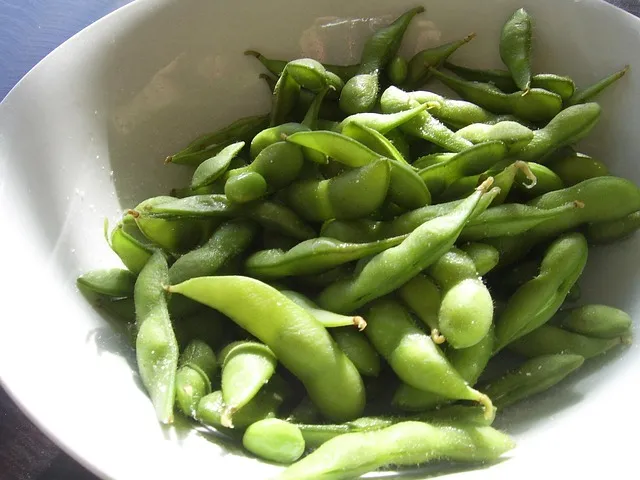
Edamame beans are simply young, green soybeans that are picked before they have fully ripened on the plant. Unlike older, mature soybeans, which are usually brown or light tan and used to make products like tofu or soy milk, edamame beans remain bright green and have a very soft texture.
Originating in East Asia, they have been an important food in Japanese, Chinese, and Korean kitchens for hundreds of years. Today, they are very popular all over the world as a tasty and healthy snack. People love them because they are a great source of plant-based protein. This makes them a top choice for vegans, vegetarians, and anyone wanting to eat a healthy diet. When you go to a sushi restaurant, you will often see them served in their fuzzy green pods, lightly sprinkled with sea salt and steamed. It is important to know that you should not eat the tough outer pods. You only eat the soft, buttery peas inside. What makes them so special is their mild, sweet, and slightly nutty flavor. They are not just a simple snack; they are a flexible ingredient that can be added to fresh salads, warm stir-fries, and healthy rice bowls. As more people choose to eat plant-based meals, edamame beans have become known as a global superfood. They offer a quick, simple, and very satisfying way to feed your body the nutrients it needs every single day.
Q2: What are the specific nutrition facts of edamame beans?
Looking closely at the nutrition facts of edamame beans shows exactly why doctors call them a nutritional powerhouse. According to the trusted U.S. Department of Agriculture (USDA), a one-cup serving (about 155 grams) of cooked edamame has about 188 calories. This means it provides a lot of nutrients for a low amount of calories. In that single cup, you get a huge 18.4 grams of pure protein. This protein provides all the essential amino acids your body needs to survive and grow. Finding a complete plant-based protein like this is actually quite rare in the plant world. Also, the same one-cup serving gives you about 8 grams of dietary fiber, which is great for keeping your digestion running smoothly. For fat, a cup contains about 8 grams, but most of this is healthy fat, including important omega-3 fatty acids. Edamame beans are also full of essential vitamins and minerals. They give you about 115% of the daily folate (Vitamin B9) you need, which is very important for making cells and for pregnant women. They are also a great source of Vitamin K1, copper, iron, manganese, and magnesium. Because they naturally have very little sugar and zero cholesterol, they fit easily into almost any weight-loss or health plan. It is very hard to find another simple food that gives you such a perfect mix of healthy carbs, clean protein, and good fats.
Q3: What are the main health benefits of eating edamame beans regularly?
The health benefits of eating edamame beans regularly are huge and have been well-studied by doctors. One of the biggest benefits is their ability to protect your heart health and possibly lower cholesterol in your blood. Edamame beans are naturally full of isoflavones, which are special plant compounds. Studies show that diets rich in soy protein and these isoflavones can lower the bad LDL cholesterol levels while slightly raising the good HDL cholesterol. According to the Harvard T.H. Chan School of Public Health, “Soy foods are a healthy alternative to red meat and can benefit heart health.” Besides helping your heart, edamame beans are great for building very strong bones. As people get older, the risk of weak bones and osteoporosis goes up, especially in women. The mix of good protein, calcium, and soy isoflavones helps keep your bone density high and lowers the chance of broken bones. Also, these green beans are packed with strong antioxidants. These antioxidants protect your body’s cells from damage caused by harmful molecules called free radicals. This protection helps lower your risk of getting long-term illnesses and reduces swelling or inflammation inside your body. By simply adding this tasty green legume to your meals, you are actively protecting your heart, keeping your bones strong, and giving your cells the armor they need to stay healthy for many years.
Q4: How do edamame beans support healthy weight management and digestion?
If you want help with weight management and keeping your gut health in top shape, edamame beans are a perfect food to eat every day. Because they are full of high-quality protein and lots of dietary fiber, they make you feel very full. Eating protein is proven to lower the hormones that make you feel hungry, while increasing the hormones that tell your brain you are full. When you combine this protein with the 8 grams of fiber found in one cup, edamame beans help you stay satisfied for many hours. This naturally stops you from eating too much or snacking on junk food between meals. Also, they have a very low glycemic index. This means they do not cause a sudden, unsafe spike in your blood sugar after you eat them. Instead, they give you a slow, steady stream of energy. Healthline clearly explains this by stating, “Edamame is very low in carbs, relative to protein and fat. It also measures very low on the glycemic index, a measure of the extent to which foods raise blood sugar levels.” For your stomach and intestines, the high dietary fiber acts as food for the good bacteria living in your gut. This keeps your digestion smooth and healthy. Reaching a healthy weight is much easier when you eat foods that fill you up and support your digestion at the same time.
Q5: Which vegetables are best to pair with edamame beans for maximum nutrition?
To make truly delicious and healthy meals, you should mix edamame beans with the best vegetable pairings to get the most flavor and vitamins. Because edamame beans are full of plant-based iron, it is very smart to pair them with vegetables that have a lot of Vitamin C. Vitamin C greatly helps your body increase its iron absorption. Because of this, bright bell peppers—especially the red and yellow ones—are the perfect vegetable match. Mixing warm edamame into a fresh salad with crunchy, sweet bell peppers gives your body a huge health boost. Another great vegetable to use is broccoli. Both of these green foods are incredibly healthy; while the beans give you protein and good fats, the broccoli gives you extra fiber and strong antioxidants. You can easily cook them together in a pan with a little soy sauce, garlic, and ginger for a fast, tasty dinner. Sweet yellow corn and orange carrots also taste amazing with them. The sweet taste of the corn matches perfectly with the earthy, nutty flavor of the soft beans, making a great meal when mixed with rice or quinoa. Mixing these bright, colorful vegetables ensures you always get a wide mix of different vitamins. By pairing them correctly, you turn simple ingredients into a powerful, balanced meal that keeps your body strong and full of energy all day long.
Q6: What are the easiest and healthiest ways to cook edamame beans at home?
Knowing the right ways to cook edamame is very important so you keep its fresh taste and its amazing health benefits. The most traditional and easiest way to prepare them is by simple boiling or steaming. If you buy them frozen in their green pods, just bring a pot of water to a boil, add a little pinch of salt, and drop the frozen pods in for about three to five minutes. Once they turn bright green and feel soft, drain the water completely and serve them warm. Steaming is just as easy and is actually a little better at keeping the healthy vitamins trapped inside the beans. If you want a crispy, crunchy texture that makes a wonderful healthy snack, you should try roasting the beans after taking them out of their pods. Toss the small green beans in a tiny bit of olive oil, sprinkle them with sea salt and black pepper, and bake them in an oven at 400°F (200°C) for about 15 minutes. They become very crispy and are a wonderful, healthy swap for greasy potato chips. You can also mash them up with garlic and lemon juice to make a yummy green dip, just like hummus. When you look for simple recipes, always remember not to cook them for too long. If you overcook them, they turn mushy and lose the nice, firm bite that makes them so enjoyable to eat.
Q7: Is it safe to eat edamame beans every single day, and are there any side effects?
For almost everyone, it is completely safe to eat edamame beans every single day as part of a very healthy diet. But, just like with all good foods, moderate consumption is the most important rule. Eating about one to two servings of soy foods each day is considered very safe and extremely healthy by top doctors everywhere. A helpful quote from Medical News Today shows this fact: “Consuming a moderate amount of soy foods, including edamame, is safe and beneficial for most people.” Even though they are safe, there are a few small side effects to think about. Because these beans have a lot of fiber, eating a huge bowl of them at one time might cause mild digestive issues like gas or a bloated stomach. If your body is not used to a lot of fiber, you should eat them slowly. Also, people who have real soy allergies must stay away from edamame beans completely. Eating them can cause very bad allergic reactions, like itchy skin or trouble breathing. In the past, some people worried that eating soy could hurt the thyroid gland. However, new science proves that normal amounts of soy do not harm the thyroid in healthy people at all. As long as you eat a balanced diet, adding a bowl of these delicious green beans to your daily routine is a wonderful and safe choice for your overall health.
Q8: How do edamame beans fit into vegan and vegetarian lifestyles, and what makes them unique?
When looking closely at plant-based nutrition, edamame beans are a huge star, especially for anyone following a vegan diet or vegetarian plan. The hardest part for people who stop eating meat is finding foods that give them enough high-quality protein. This is what makes edamame beans so special: they are one of the rare plant foods that are a true complete protein. A complete protein is a food that has all nine of the essential amino acids in the exact amounts your body needs but cannot make by itself. Usually, you only find these complete proteins in animal foods like beef, chicken, and eggs. Because it has all these important amino acids, edamame works perfectly as a meat substitute to help repair your muscles, give you energy, and keep your cells healthy. Also, they are very easy to use in many different meals. Vegans often use them to make their meals bigger and more filling without eating fake, processed meat products. You can quickly toss a handful into your lunch salad, blend them into creamy sauces for your pasta, or stir them into warm rice. Also, choosing to eat soybeans instead of farm animals uses much less water and land. This makes them a very friendly choice for protecting the earth. They are the perfect example of clean, powerful, and earth-friendly plant food that anyone can enjoy.
Q9: What is the history of edamame beans and how did they become a global superfood?
The rich history of edamame goes back thousands of years and is deeply tied to traditional Asian cuisine. The very first written records of these young, green soybeans come from ancient China around the year 200 BCE. Back then, they were valued not just as a reliable crop to eat, but also as a helpful tool in traditional medicine. The word “edamame” is actually Japanese, and it means “stem beans.” They got this name because farmers used to sell them in markets while they were still attached to their leafy stems. Over many years, they became a very normal, everyday food in Japanese homes. People loved to eat them as a salty, healthy snack while drinking green tea or cold beer. So, how did this simple little bean become a famous global superfood? The huge jump in their worldwide popularity started in the late 1900s, right when Japanese sushi restaurants started popping up all over the world. When people in Western countries started eating sushi, they were also introduced to the little bowls of salty green pods served before the meal. At the same time, more people started caring about healthy eating and wanted foods packed with vitamins. Today, you do not have to go to a special market to find them. They are sold in almost every regular grocery store, loved by chefs and health experts everywhere for their great taste and amazing health benefits.