
The Comprehensive Guide to Idli: India’s Beloved Breakfast
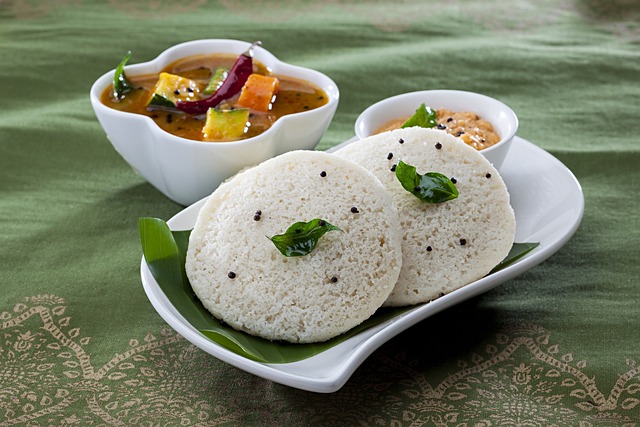
If there is one dish that defines the morning routine of South India—and increasingly, the rest of the world—it is the Idli. These pillowy, white, steamed cakes are a marvel of culinary engineering. They are simple yet complex, bland yet flavorful when paired right, and ancient yet timeless.
This 2000-word guide explores the world of Idli in a detailed question-and-answer format. We will dive into its contested history, the science behind the fermentation, the incredible variety of idli, and the ultimate guide on how to make idli that is soft, fluffy, and perfect every time.
Part 1: The Definition and Significance
What is an Idli?
At its most basic level, an Idli is a savory rice cake. It is made by steaming a batter consisting of fermented black lentils (urad dal) and rice. Because it is steamed rather than fried, and because the fermentation process breaks down starches for easier digestion, it is widely considered one of the healthiest breakfasts in the world by the World Health Organization (WHO) and nutritionists alike.
Why is Idli so popular in India?
The popularity of idli stems from its versatility and health benefits.
- Digestibility: The fermentation process creates beneficial bacteria (probiotics) and breaks down complex vitamins, making it incredibly easy to digest. It is often the first solid food given to babies and the preferred food for the elderly or sick.
- Affordability: The ingredients—rice and lentils—are staples and inexpensive.
- Neutral Profile: The idli itself is mild, acting as a perfect vehicle for spicy Sambars, tangy chutneys, and fiery gunpowders (podi).
Part 2: The History and Origins
What is the history of Idli?
The history of idli is a subject of fascinating culinary debate. While it is synonymous with South India today, food historians suggest it might not have originated there.
There are two main schools of thought:
- **The Indonesian Connection:**Renowned food historian K.T. Achaya speculated that the modern idli might have been inspired by Indonesian fermented dishes like Kedli. He noted that while steaming vessels were common in Indonesia around the 7th century, they were not mentioned in Indian texts until later. The cooks accompanying Hindu kings to Indonesia might have brought the technique of fermentation and steaming back to India.
- The Indigenous Origin: Others argue it evolved locally. The Kannada work Vaddaradhane (920 AD) by Shivakotiacharya mentions “Iddalige,” which was made from an urad dal batter. Later, the Sanskrit encyclopedia Manasollasa (1130 AD) written by King Someshwara III describes “Iddarika.”
How has the Idli evolved over time?
The ancient “Iddalige” was quite different from the modern idli.
- Ancient Version: It was likely made only from Urad dal flour, fried in ghee, or seasoned with spices like pepper and cumin. It did not use the three essential steps we use today: the mix of rice and dal, the long fermentation, and the steam cooking.
- Modern Version: The modern version—fluffy, white, and steamed—likely appeared after the 17th century when India started cultivating rice more aggressively and the interaction with Arab traders or Indonesian cultures solidified the steaming technique. The use of three parts rice to one part dal to create the perfect texture is a relatively “modern” innovation in the timeline of Indian food.
Part 3: Nutritional Value and Science
Is Idli good for weight loss?
Yes. Idli is an excellent food for weight management.
- Low Calorie: One medium idli contains only about 35-40 calories.
- No Oil: Since it is steamed, there is no added fat during the cooking process.
- Protein-Packed: The combination of cereal (rice) and pulse (dal) creates a complete protein profile, containing all essential amino acids.
- Satiety: The fiber and protein content keep you full longer, preventing snacking.
What is the science behind the fermentation?
The magic of how to make idli lies in fermentation. When the rice and lentils are soaked and ground, wild yeast and bacteria (naturally present in the air and on the ingredients) begin to break down the sugars.
- Leavening: The bacteria produce carbon dioxide, which gets trapped in the thick batter. This causes the batter to rise and double in volume.
- Fluffiness: When steamed, these trapped air bubbles expand further, giving the idli its characteristic sponge-like texture.
- Bio-availability: Fermentation increases the bio-availability of minerals like iron and zinc, meaning your body absorbs them better from idli than from raw rice.
Part 4: Types, Specialty, and Variety of Idli
When people ask how many types of idli exist, they are often surprised. It is not just the white round cake found in restaurants. There are dozens of regional variations.
1. The Classic (Standard) Idli
This is the version found in 90% of households. It is approximately 2-3 inches in diameter, white, and made with a batter of Parboiled Rice (Idli Rice) and Urad Dal.
2. Thatte Idli (Plate Idli)
Origin: Bidadi, Karnataka.
Specialty: “Thatte” means plate. These idlis are steamed in flat, saucer-sized plates rather than deep molds. They are larger, flatter, and incredibly porous. They are usually served with a dollop of butter on top and Red Chilli Chutney.
3. Kanchipuram Idli (Kovil Idli)
Origin: Kanchipuram Temple, Tamil Nadu.
Specialty: This is a spiced idli. The batter is seasoned with coarse black pepper, cumin seeds, ginger, and curry leaves. It is traditionally steamed in cylindrical cups made of dried Mandharai leaves, which impart a woody aroma to the cake. It is denser and more flavorful than the standard version.
4. Rava Idli (Semolina Idli)
Origin: Karnataka (Popularized by MTR).
History: During World War II, rice was in short supply. The founders of the famous restaurant Mavalli Tiffin Room (MTR) in Bangalore experimented with Semolina (wheat rava) as a substitute.
Specialty: It requires no fermentation. It is an “Instant Idli” made with rava, yogurt, cashew nuts, mustard seeds, and curry leaves. It has a slightly coarser texture and a rich taste.
5. Ramasseri Idli
Origin: Palakkad, Kerala.
Specialty: This is a rare, dying art form. These idlis are unique because they are cooked in earthen pots over a muslin cloth stretched across the mouth of the pot. They are extremely flat, almost like a thick Dosa, but have the texture of a fluffy idli. They are famous for staying soft for days.
6. Mini Idli (Button Idli)
Specialty: These are tiny, coin-sized idlis. They are not usually eaten dry. They are submerged in a bowl of hot Sambar (Sambar Idli) or floating in Rasam. They are a favorite among children.
7. Ragi Idli / Oats Idli / Millet Idli
Specialty: These are modern, health-conscious variations. The white rice is replaced with Finger Millet (Ragi), Oats, or Foxtail Millet. These are darker in color, possess a nuttier flavor, and have a much lower Glycemic Index, making them suitable for diabetics.
8. Podi Idli
Specialty: This is not a different batter, but a preparation style. Mini idlis or cut-up standard idlis are tossed in a pan with ghee and “Gunpowder” (a coarse spice mix of roasted lentils and chilies). It is a popular travel food or lunchbox item.
9. Khushboo Idli
Origin: Tamil Nadu.
Specialty: Named after a famous South Indian actress, this term refers to idlis that are exceptionally white, fluffy, and soft—likened to clouds. The secret lies in the use of sago (sabudana) or castor seeds in the batter to aid fermentation.
10. Udupi Idli vs. Chettinad Idli
- Udupi Style: Often uses a slightly coarser grind of rice (Idli Rava) resulting in a grainier texture.
- Chettinad Style: Uses a smooth batter and is often served with spicy meat curries rather than just vegetarian sambar.
Part 5: How to Make Idli (The Authentic Recipe)
Mastering how to make idli is a rite of passage. It requires patience and precision. The ratio of ingredients and the climate (for fermentation) are crucial.
What are the ingredients?
- Idli Rice (Parboiled Rice): 4 Cups. (Short, thick grain rice is best).
- Urad Dal (Whole White Lentils): 1 Cup. (Using whole dal is better than split dal for fluffiness).
- Fenugreek Seeds (Methi): 1 Teaspoon. (Helps fermentation and adds aroma).
- Salt: To taste.
- Water: For soaking and grinding.
Step-by-Step Method
Step 1: Washing and Soaking
Wash the rice and dal separately. Wash them 3-4 times until the water runs clear.
- Soak the Rice for 5 to 6 hours.
- Soak the Urad Dal and Fenugreek seeds together for 4 to 5 hours.
- Tip: Use cold water if you are using a high-speed mixer to prevent the batter from heating up.
Step 2: Grinding
This is the most critical step.
- Grind the Dal first: Drain the water (keep some aside). Grind the dal into a buttery, fluffy, smooth paste. Add ice-cold water gradually. The batter should look like whipped cream and float if you drop a spoonful into a bowl of water. Transfer to a large vessel.
- Grind the Rice: Grind the rice to a slightly coarse texture (like fine sand), not a smooth paste. It requires less water than the dal.
- Mix: Add the rice batter to the dal batter. Add salt. Mix vigorously with your clean hand. The heat from your hand helps kickstart fermentation.
Step 3: Fermentation
Cover the vessel (do not seal it tight; air needs to escape). Keep it in a warm place for 8 to 12 hours.
- Visual Cue: The batter should rise and double in volume. It should smell slightly sour and yeasty.
- Climate Hack: If you live in a cold climate, keep the batter inside an oven with just the light on, or use the “Yogurt” setting on an Instant Pot.
Step 4: Steaming
- Grease the idli molds with a drop of oil or ghee.
- Gently stir the fermented batter (do not over-mix or you will deflate the air bubbles).
- Pour the batter into the molds.
- Boil water in the steamer/Idli cooker. Once steam appears, place the stand inside.
- Steam for 10 to 12 minutes on medium heat.
- Check: Insert a toothpick or knife. If it comes out clean, they are done.
Step 5: Removal
Do not remove them immediately. Let them rest for 5 minutes. Dip a spoon in water and scoop the idlis out.
Why did my Idli turn out hard? (Troubleshooting)
- Ratio issue: Too much rice and too little dal makes hard idlis.
- Old Dal: If the Urad dal is old, it won’t fluff up.
- Over-steaming: Steaming for 20 minutes will dry them out.
- Batter consistency: If the batter is too watery, idlis will be flat and sticky. If too thick, they will be hard.
Part 6: Accompaniments and Serving
What is traditionally served with Idli?
An idli is rarely eaten alone. It is part of a trinity.
- Sambar: A vegetable stew made with tamarind, pigeon peas (toor dal), and a spice powder containing coriander, cumin, and lentils.
- Coconut Chutney: Fresh grated coconut ground with green chilies, roasted gram, and ginger, tempered with mustard seeds and curry leaves.
- Mulagai Podi (Gunpowder): A dry powder made of roasted dry red chilies, sesame seeds, and lentils. It is mixed with a generous amount of sesame oil or ghee and used as a dip.
What are some creative ways to use leftover Idli?
If you have leftover cold idlis, do not throw them away.
- Idli Upma: Crumble the idlis and stir-fry them with mustard seeds, onions, chilies, and turmeric.
- Fried Idli: Cut them into strips and deep fry them. Dust with chat masala for a snack.
- Chilli Idli: A standard Indo-Chinese fusion dish. Cubed idlis are fried and tossed in soy sauce, chili sauce, capsicum, and onions.
Part 7: Idli in Popular Culture
Is there a World Idli Day?
Yes. World Idli Day is celebrated on March 30th every year. It was started by a popular Idli caterer in Chennai to celebrate the dish, and it has since been adopted by foodies globally.
What is the future of Idli?
The future of idli is evolving. While the traditional method remains king, innovation is happening.
- Millet Revolution: With the UN declaring 2023 the Year of Millets, millet-based idlis are becoming mainstream staples in restaurants.
- Ready-to-Cook Batters: The rise of companies like ID Fresh Food has globalized the idli. They sell fresh, fermented batter in packets, allowing people in New York, London, or Dubai to make authentic idlis without the hassle of grinding.
Conclusion
The Idli is more than just a breakfast item; it is a cultural icon of South India. It represents a history of trade and adaptation, a mastery of food science through fermentation, and a commitment to health.
Whether you prefer the grainy texture of the Udupi style, the spicy kick of the Kanchipuram variety, or the giant porosity of the Thatte idli, there is a version for everyone. Now that you know how to make idli and understand the nuance of the ingredients, you can appreciate the skill that goes into making this humble white disc of happiness. So, the next time you dip a piece of soft idli into a bowl of hot sambar, remember—you are eating a dish that has survived empires, evolved through centuries, and perfected the art of comfort food.