
The Ultimate Guide to Pumpkin Seeds: Nutrition, Benefits, and Culinary Uses
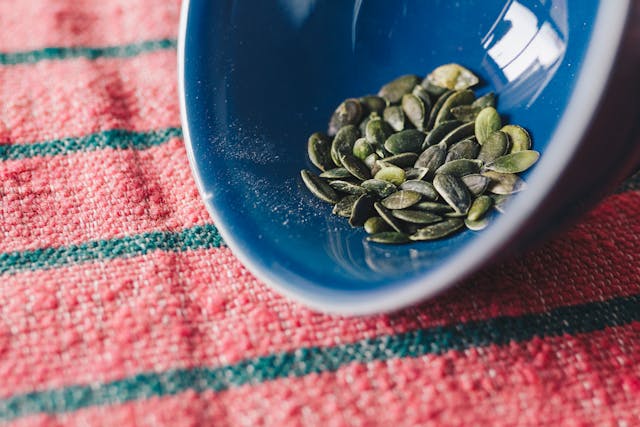
Pumpkin seeds, also known as pepitas (when shell-less), are nutritional powerhouses packed into a tiny, crunchy package. For centuries, they have been revered not just as a byproduct of the autumn harvest, but as a staple food source rich in minerals, healthy fats, and antioxidants. Whether you are looking to balance hormones, improve heart health, or simply find a healthy snack, pumpkin seeds are a versatile solution.
Below, we answer the most pressing questions regarding pumpkin seed nutrition, their specific benefits for men and women, and how to incorporate them into your daily diet—including some delicious pairings with millet rotis.
Q1: What are the Nutrition Facts of pumpkin seeds?
To understand why these seeds are so highly praised by nutritionists, we must look at their nutrient profile. Pumpkin seeds are nutrient-dense, meaning they provide a significant amount of vitamins and minerals relative to their calorie count.
Nutrition Facts (Approximate per 100 grams of raw, peeled seeds/pepitas):
- Protein: 30 grams
- Fat: 49 grams (mostly polyunsaturated and monounsaturated fats)
- Carbohydrates: 10.7 grams
- Dietary Fiber: 6 grams
- Magnesium: 592 mg (approx. 150% of RDI)
- Zinc: 7.8 mg
- Iron: 8.8 mg
- Potassium: 809 mg
Key Nutritional Highlights:
- Magnesium Powerhouse: One of the standout features of pumpkin seeds is their magnesium content. Magnesium is vital for more than 600 chemical reactions in your body. Adequate levels are crucial for controlling blood pressure, reducing heart disease risk, forming and maintaining healthy bones, and regulating blood sugar levels.
- High Antioxidant Content: They contain antioxidants like carotenoids and Vitamin E. Antioxidants reduce inflammation and protect your cells from harmful free radicals.
- Healthy Fats: While high in fat, these are “good” fats. They are rich in Omega-3 (alpha-linolenic acid) and Omega-6 fatty acids. The balance of these fats helps lower bad cholesterol (LDL) and increase good cholesterol (HDL).
- Tryptophan: They are a rich source of tryptophan, an amino acid that the body converts into serotonin (the “feel-good” hormone) and then into melatonin (the “sleep” hormone).
Q2: What are the pumpkin seeds calories?
Because they are high in fat, pumpkin seeds are calorie-dense. It is important to eat them in moderation to gain the benefits without consuming excess energy.
General Calorie Breakdown:
- Per 100 grams: Approximately 559 calories.
- Per Cup (approx. 130g): Approximately 720 calories.
- Per Ounce (approx. 28g): Approximately 150 calories.
Many people prefer to measure small doses for daily snacking. This leads us to a very common question:
What are the pumpkin seeds calories 1 tbsp?
A single tablespoon of pumpkin seeds weighs approximately 10 to 12 grams.
- Pumpkin seeds calories 1 tbsp: Approximately 55 to 60 calories.
If you are tracking your intake, adding just two tablespoons to your morning oatmeal or salad adds about 110-120 calories, along with a significant boost of protein and magnesium.
Q3: What are the pumpkin seeds benefits for female health?
Pumpkin seeds benefits for female health are extensive, ranging from reproductive health to bone density.
1. Hormonal Balance and PCOS:
Pumpkin seeds are excellent for women suffering from Polycystic Ovary Syndrome (PCOS). They contain phytosterols and beta-sitosterol, which can help inhibit the enzyme that converts testosterone to dihydrotestosterone (DHT), thereby helping to manage hair loss and acne associated with hormonal imbalances.
2. Menopause Support:
They are rich in natural phytoestrogens. Studies suggest that a diet rich in phytoestrogens may help decrease the risk of breast cancer and can alleviate menopausal symptoms such as hot flashes, joint pain, and headaches. Furthermore, the high magnesium content promotes better sleep, which is often disrupted during menopause.
3. Bone Health:
Osteoporosis is a significant concern for women, particularly post-menopause. Pumpkin seeds are rich in magnesium and zinc, both of which are essential for increasing bone mineral density. Low blood levels of zinc have been linked to osteoporosis at the hip and spine.
4. Skin and Hair Health:
The zinc and Vitamin E in pumpkin seeds promote collagen production, which aids in skin renewal and elasticity. Zinc is also crucial for maintaining strong hair and preventing shedding.
5. Pregnancy Health:
The high iron content is beneficial for pregnant women, who require higher amounts of iron to support the increased blood volume and the developing fetus. The zinc helps with DNA synthesis and cell growth in the baby.
Q4: What are the benefits of pumpkin seeds for men?
While they are great for everyone, the benefits of pumpkin seeds for men specifically target issues related to prostate health and fertility.
1. Prostate Health:
This is perhaps the most well-known benefit. Pumpkin seed oil and the seeds themselves have been shown to reduce symptoms of Benign Prostatic Hyperplasia (BPH), a condition where the prostate gland enlarges and causes urination difficulties. The high zinc content and phytosterols are believed to be the primary factors helping to shrink or maintain prostate health.
2. Sperm Quality and Fertility:
Zinc is critical for male fertility. Low zinc levels are associated with reduced sperm quality and an increased risk of infertility. Pumpkin seeds are one of the best plant-based sources of zinc. Adequate zinc levels improve sperm count, motility, and overall testosterone levels.
3. Muscle Function and Recovery:
For men who are active, the magnesium in pumpkin seeds aids in muscle function and recovery. It helps prevent muscle cramps and spasms. The high protein content also assists in muscle repair post-workout.
4. Heart Health:
Men are statistically at a higher risk for heart disease at younger ages than women. The antioxidants, magnesium, zinc, and fatty acids in pumpkin seeds all contribute to heart health by reducing high blood pressure and high cholesterol levels.
Q5: Are roasted pumpkin seeds good for you?
The question “are roasted pumpkin seeds good” often comes up when people compare them to raw seeds.
The Verdict: Yes, roasted pumpkin seeds are good for you, but the preparation method matters.
Raw vs. Roasted:
- Raw Seeds: These retain the highest amount of vitamins and healthy fats. High heat can sometimes degrade certain nutrients, such as Vitamin E and some healthy fatty acids.
- Roasted Seeds: Roasting enhances the flavor and crunch, making them more palatable. However, roasting for too long or at very high temperatures can oxidize the fats, potentially making them less healthy.
Tips for Healthy Roasting:
- Control the Temperature: Roast at a low temperature (below 350°F or 175°C) for a shorter time (15-20 minutes) to preserve the healthy oils.
- Watch the Sodium: Store-bought roasted seeds are often laden with excessive salt. It is best to roast them at home so you can control the sodium level or use alternative spices like paprika, turmeric, or black pepper.
- Avoid Added Sugars: Honey-roasted or candied pumpkin seeds contain added sugars that negate some of the health benefits.
If you are looking for maximum nutritional density, raw is slightly better. However, if roasting them helps you eat them more often, the benefits of eating roasted seeds far outweigh not eating them at all.
Q6: How to eat pumpkin seeds with shell?
Most pumpkin seeds sold in grocery stores are “pepitas”—the green, inner kernel without the shell. However, if you carve a pumpkin at home, you get white seeds encased in a hard shell.
Can you eat the shell?
Yes, the shells are edible and are a massive source of fiber. Whole roasted pumpkin seeds (with the shell) contain about double the fiber of shelled seeds.
How to eat pumpkin seeds with shell:
- Cleaning: Remove the seeds from the pumpkin pulp. Rinse them thoroughly in a colander to remove the stringy bits.
- Boiling (Optional but Recommended): To make the shells easier to digest and crispier when roasted, boil the seeds in salted water for about 10 minutes. Dry them thoroughly.
- Seasoning: Toss the dry seeds in olive oil or avocado oil. Add salt, garlic powder, or your favorite seasoning.
- Roasting: Spread them in a single layer on a baking sheet. Roast at 325°F (160°C) for 20 to 30 minutes, tossing halfway through, until they are golden brown and crispy.
- Chewing: When eating whole seeds, it is vital to chew them thoroughly to aid digestion. The shells are very fibrous, and chewing breaks them down mechanically.
Note on Digestion: If you have a sensitive stomach or conditions like IBS, eating the shells might cause bloating or stomach pain due to the intense fiber content. In that case, stick to the green pepitas.
Q7: What foods are pumpkin seeds best with?
Pumpkin seeds have a nutty, earthy flavor that pairs well with both sweet and savory dishes. Here is a breakdown of what they are best with:
-
Breakfast Bowls:
- Oatmeal: Sprinkle a tablespoon on top for crunch.
- Yogurt: Mix into Greek yogurt with honey and berries.
- Smoothie Bowls: Use them as a topping to add texture to acai or green smoothie bowls.
-
Savory Meals:
- Salads: They are a great alternative to croutons. They pair exceptionally well with kale salads, spinach salads, and roasted beet salads.
- Soups: Garnish creamy soups like butternut squash soup or tomato basil soup with roasted seeds.
- Pesto: Substitute pine nuts (which are expensive) with pumpkin seeds to make a delicious and affordable “Pepita Pesto.”
-
Baking:
- Bread: Add them into the dough of sourdough or multigrain bread.
- Muffins: Mix into banana nut muffins or zucchini bread.
Q8: Can you provide a list of millet rotis to pair with pumpkin seeds?
Millets are ancient grains that are gluten-free, high in fiber, and have a low glycemic index. Combining millet rotis (flatbreads) with pumpkin seeds (either ground into the flour or served as a side chutney) creates a complete, nutrient-dense meal.
Here is a list of millet rotis that you can incorporate into your diet:
-
Ragi Roti (Finger Millet):
- Profile: Dark brown in color, rich in calcium and iron.
- Pairing: Ragi has a rustic flavor that pairs beautifully with a spicy Pumpkin Seed Chutney. You can make this chutney by roasting pumpkin seeds with green chilies, garlic, and cumin, then grinding them into a coarse paste.
-
Jowar Roti (Sorghum):
- Profile: Light color, mild flavor, high in antioxidants.
- Pairing: Because Jowar is mild, you can actually grind pumpkin seeds into a fine powder and mix it directly into the Jowar flour (about 1 part seed powder to 4 parts flour). This enriches the roti with zinc and healthy fats without altering the taste significantly.
-
Bajra Roti (Pearl Millet):
- Profile: Greyish hue, nutty flavor, heat-generating (good for winter).
- Pairing: Bajra is often eaten with jaggery and ghee. Sprinkle roasted, salted pumpkin seeds on top of a hot Bajra roti slathered in white butter for a crunch that complements the soft texture.
-
Kodo Millet Roti (Varagu):
- Profile: High in fiber, great for diabetics.
- Pairing: Serve with a side of stir-fried vegetables (sabzi) garnished generously with roasted pumpkin seeds.
-
Foxtail Millet Roti (Thinai):
- Profile: Yellowish, helps in regulating blood sugar.
- Pairing: Excellent with curries. Use pumpkin seed paste as a thickener in the gravy served alongside this roti instead of cashew paste or heavy cream.
Summary and Final Tips
Pumpkin seeds are a dietary essential that bridges the gap between culinary enjoyment and medicinal benefit. Whether you are counting pumpkin seeds calories 1 tbsp to stay within your limits, or eating them to harness the benefits of pumpkin seeds for men and women, consistency is key.
Quick Recap:
- Portion Control: Stick to about 1 oz (approx. 2 tbsp) a day to manage calorie intake (approx. 150 calories).
- Preparation: Roast lightly to preserve oils but enhance flavor.
- Versatility: Add them to everything from salads to your list of millet rotis.
By incorporating these small green seeds into your daily routine, you invest in your heart, hormonal health, and energy levels. So next time you see a pumpkin, remember that the real treasure lies inside!